Island Peak & Everest
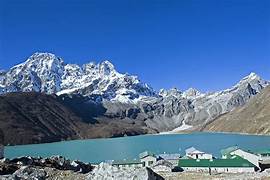
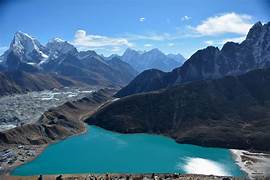
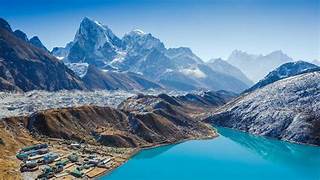
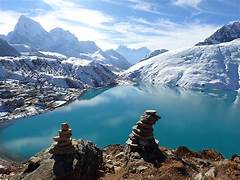
The Island Peak & Everest Base Camp Trek is an epic 18-day adventure combining high-altitude trekking with a summit climb. Journey through Sherpa villages, suspension bridges, and ancient monasteries, experiencing both Himalayan culture and breathtaking scenery.
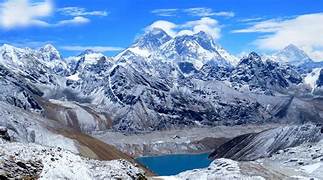
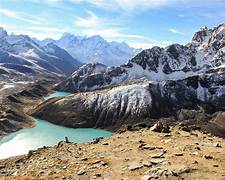
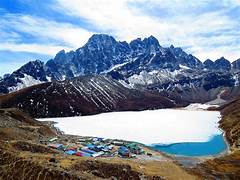
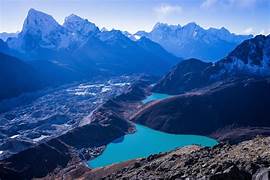
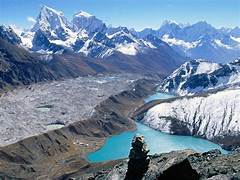
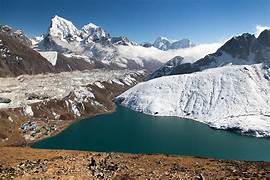
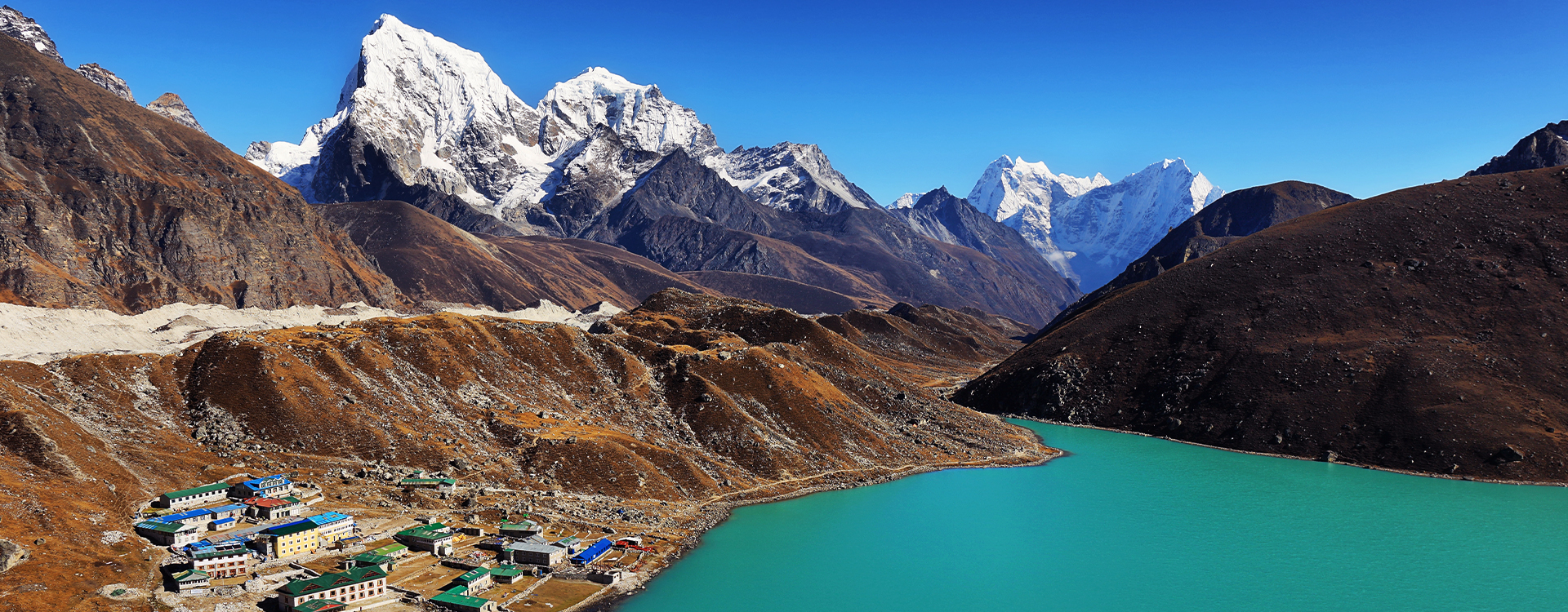
The trek highlights the climb of Island Peak (6,189 m / 20,305 ft) and the views from Kala Patthar, offering unparalleled vistas of Everest, Lhotse, Nuptse, and Ama Dablam. Requiring good fitness and proper acclimatization, the trek is best undertaken in spring (March–May) or autumn (September–November). With dramatic landscapes, quiet trails, and experienced Sherpa guides, this journey promises an unforgettable Himalayan experience.
Quick Things to Know Before Visiting Island Peak & Everest Base Camp Trek
Altitude: Island Peak 6,189 m / 20,305 ft | Everest Base Camp 5,364 m / 17,598 ft
Trek Duration: 18 days (with acclimatization)
Difficulty: Moderate to challenging (long hikes, high altitude, summit climb)
Best Seasons: March–May, September–November
Starting Point: Flight from Kathmandu or Ramechhap to Lukla, then trek onwards
Permits Needed:
Sagarmatha National Park Entry Permit
Khumbu Pasang Lhamu Rural Municipality Permit
TIMS Card
Highlights: Island Peak summit, Everest Base Camp, Kala Patthar viewpoint, Khumbu Glacier, Sherpa villages, panoramic mountain views of Everest, Lhotse, Nuptse, Ama Dablam
Accommodation: Tea houses and lodges along the trail
Preparation: Good fitness, layered trekking and climbing gear, and gradual acclimatization to prevent altitude sickness
Island Peak, also known as Imja Tse (6,189m / 20,305 ft), is located in the heart of Nepal’s Everest Region and is one of the most popular trekking peaks in the country. It is ideal for first-time climbers seeking a challenge beyond the standard Everest Base Camp trek, offering an unforgettable mountaineering experience. Island Peak provides not only a scenic and exhilarating climb but also serves as excellent preparation for higher Himalayan peaks in the future.
Our professionally designed itinerary balances challenging climbing with ample acclimatization, allowing you to fully enjoy the journey to Everest Base Camp and the hike to Kala Patthar. Every detail is planned to ensure a safe, manageable pace while maximizing breathtaking views of towering Himalayan peaks.
Climbers will be accompanied by experienced Sherpa guides, many of whom have summited Everest and other major peaks. We maintain a 2:1 climber-to-guide ratio to provide personalized support, ensuring everyone has the opportunity to reach the summit at a pace suited to their fitness and experience level. All necessary climbing equipment, including boots, harnesses, and helmets, is provided as part of the package.
Trip Inclusions
All airport transfers from arrival to departure
18-day adventure, including 14 days of trekking and climbing with three meals a day
Round-trip airfare between Kathmandu / Ramechhap and Lukla*
Complete climbing gear (boots, harness, helmet, and other essentials)
20 kg baggage allowance during flights and trekking
Porter service for luggage support
English-speaking, government-licensed Trekking and Climbing Guides
All required trekking and climbing permits
3 nights accommodation in Kathmandu on B&B basis
Government taxes, entrance fees, and applicable equipment fees
First aid kit for emergencies
Trip completion certificate
Farewell dinner to celebrate your adventure
Let’s make your dream trek a reality
faq
Quick Guide
Why should I choose Arma Trek Nepal for my adventure?
At Arma Trek Nepal, your safety and experience are our top priorities. Our guides are full-time professionals with over 8 years of experience in the Himalayas, trained in Wilderness First Aid and acclimatization. From the moment you land in Kathmandu, our dedicated ground staff ensures everything runs smoothly, and our 24/7 support line means help is always within reach. With us, you’re not just joining a trek—you’re in the hands of a trusted team who truly knows the mountains.
What is the best season to trek with Arma Trek?
The most popular trekking seasons are March to early May and September to November, when the weather is clear and the views are spectacular. Trekking is also possible from December to February, though temperatures drop and extra preparation for the cold is needed. We generally don’t recommend June to August due to heavy rains, but if that’s the only time you can travel, let us know—we’ll suggest the best alternatives for your trip.
Are all Arma Trek departures guaranteed to operate?
Yes, absolutely. Once you confirm your booking with a deposit, your trek is guaranteed to run. During the busiest trekking months, groups often fill quickly, while off-season treks may have fewer participants. Either way, you can rest assured that your adventure with Arma Trek Nepal will go ahead as planned.
I’ve hiked and camped before—do I still need a guide with Arma Trek?
Even if you’re an experienced hiker or camper, the Himalayas are very different from most trekking environments. Our guides bring not only navigation skills but also vital knowledge of local culture, safety, and altitude management. Time after time, guests tell us their guide made the trek unforgettable—helping with everything from logistics to motivation along the trail.
Will my Arma Trek guide be fluent in English?
Yes. All of our guides speak excellent English and have years of experience leading trekkers from around the world. They are skilled at clear communication and building great connections, ensuring you feel supported and well-informed throughout your journey.
Is This for You?
Who can join an Arma Trek adventure?
Anyone in good health and with a spirit for adventure can join! We’ve welcomed families with children as young as 7 and trekkers in their 70s. For family groups, we usually recommend arranging a private trek and adding a few extra days for a comfortable pace. Feel free to reach out—we’ll help plan the trek to suit your group perfectly.
Are there age limits for trekking with Arma Trek Nepal?
There’s no strict age limit. The main requirement is that you are physically fit enough to enjoy full-day walks in the mountains. Our treks have successfully included young children and seniors alike, as long as participants are healthy and prepared.
Is previous trekking experience necessary?
Not at all. Many of our guests are first-time trekkers. While prior hiking or trekking experience can be helpful, what matters most is being reasonably fit and comfortable walking for several hours a day. You’ll be in good company with other trekkers of all experience levels.
Are solo female travelers safe on Himalayan treks?
Yes. Nepal is generally very safe and welcoming for travelers, including solo women. Our guides and staff maintain a strong focus on your safety, staying aware of all group members’ whereabouts. We travel in small groups, stay at trusted lodges, and prioritize a secure and enjoyable experience for everyone.
Trip Expenses
How can I pay the remaining balance in Kathmandu?
We accept all major currencies. You can pay your balance in cash or by credit card. Please note that credit card payments carry a 13% processing fee, so paying in cash is usually the better option.
Can I use credit cards during the trek?
Most teahouses and local shops along the trekking route do not accept credit cards. ATMs in Kathmandu allow you to withdraw Nepali rupees at a good exchange rate. Keep in mind that ATMs may charge around NPR 700 per transaction and often have a daily withdrawal limit of NPR 25,000 (approximately $165 USD).
What extra costs should I expect?
Our trekking packages are mostly all-inclusive from the moment you arrive in Nepal. We suggest planning around $295–$395 for additional expenses such as tips, Nepal visa fees, renting a sleeping bag or down jacket, showers, Wi-Fi, snacks, and charging devices at teahouses. It’s also wise to have extra funds in cash or on a credit card in case of unexpected changes, such as a flight to Lukla being canceled and needing to charter a helicopter.
What about extra hotel nights?
We can arrange additional hotel nights in Kathmandu before or after your trek for an extra cost. Please let us know in advance so we can make the arrangements according to your schedule.
Payments & Extra Costs
How can I pay the remaining balance in Kathmandu?
We accept all major currencies. You can pay the balance in cash or by credit card. Please note that credit card payments carry a 13% processing fee, so it’s usually better to pay in cash.
Can I use credit cards during the trek?
Most places along the trekking route do not accept credit cards, so they are of limited use. ATMs in Kathmandu provide a convenient way to withdraw Nepali rupees at a good exchange rate. Keep in mind that ATMs may charge a service fee of around NPR 700 and often have a daily withdrawal limit of NPR 25,000 (about $165 USD).
What extra costs should I expect?
Our trekking packages are mostly all-inclusive from the moment you arrive in Nepal. We recommend planning around $295–$395 for additional expenses such as tips, Nepal visa fees, renting a sleeping bag or down jacket, showers, Wi-Fi, snacks, and charging devices at teahouses.
What if I want extra hotel nights?
If you wish to stay extra nights in Kathmandu or other locations before or after the trek, we can arrange this for you. The cost will depend on the hotel category and season, and you can pay these directly at the hotel or through us.
Physical Fitness
How difficult is trekking?
Lorem ipsum dolor sit amet, consectetur adipiscing elit. Ut elit tellus, luctus nec ullamcorper mattis, pulvinar dapibus leo.
How fast do you go on the trek?
We maintain a comfortable, slow pace for the group. Trekking is about enjoying the mountains, not racing to the next teahouse. The head guide usually stays at the back with the slowest trekkers to ensure everyone is safe and comfortable.
What is the best fitness program to prepare?
Cardio workouts such as running, brisk walking, or cycling are highly recommended. Weekend hikes in your area are ideal for simulating trekking conditions. We also provide a detailed Everest Base Camp training guide on our website to help you prepare effectively.
What physical criteria will ensure I’m fit enough to trek?
Participants should have good stamina, balance, and mobility. Anyone with acute or chronic health conditions affecting endurance, coordination, or range of motion should consult a physician before booking. Proper preparation and training will help most healthy individuals complete the trek safely.
Preparation & Packing
What are the next steps once I pay the deposit?
After paying your deposit, please send us a clear scan or photo of your passport along with your arrival flight details. We cannot book your Lukla flight or issue your trekking permit without this information, so it’s important to send it as soon as possible.
What type of insurance should I have and where can I get it?
Travel insurance is mandatory for your trek. It should cover trekking activities, emergency evacuation, medical treatment, and trip cancellations. Obtaining this insurance is your responsibility, and you’ll need to email us proof of coverage before arriving in Nepal.
What should I pack for my trip?
You’ll need clothing and gear suitable for high-altitude trekking, including layers for warmth, waterproofs, and sturdy hiking shoes. Many essential trekking items can be purchased or rented locally in Kathmandu if needed. Pack smartly to balance comfort and weight.
Do you rent sleeping bags or down jackets?
Yes. We offer sleeping bag rentals rated for -20°C for $20 USD and down jackets for $15 USD. These can be arranged at the pre-trek briefing the night before your flight to Lukla—simply let the team know what you need.
What about the duffel bag for porters?
We provide a duffel bag in Kathmandu for your trek. Porters will carry this bag for you. Since porters often move ahead on the trail, your duffel may not be accessible until you reach the evening tea house. Make sure to carry a smaller day pack with the essentials you need for the day.
How big should my day pack be?
We recommend a day pack of about 40 liters—roughly the size of a school backpack—to hold extra layers, water, snacks, and other daily necessities while trekking.
What about weight limits?
The main restriction comes from the flight from Kathmandu to Lukla. Your duffel bag should not exceed 10 kg (22 lbs), and you can carry up to 5 kg (11 lbs) in your day pack, for a total of 15 kg (33 lbs).
What should I do with passports, medications, and valuables?
Keep all important documents, medications, and valuables in your carry-on bag during your flights and in your day pack while trekking. This ensures you’ll have access to these essential items even if your luggage is delayed.
Can I leave luggage in Kathmandu during the trek?
Yes. Any additional luggage can be safely left at your hotel in Kathmandu while you are on the trek.
Arrival & Accommodation
Will someone pick me up at the airport when I arrive?
Yes! An Arma Trek Nepal airport representative will greet you as you exit the airport. Look for our driver holding a sign with the Arma Trek logo. They will assist you with transportation to your hotel and ensure a smooth start to your Nepal adventure.
Can I get a visa for Nepal on arrival?
Most travelers are eligible to obtain a visa upon arrival at the airport. The process typically takes between 20 minutes to an hour, depending on the number of travelers at the time. Guests are responsible for verifying all visa requirements before arrival. Make sure your passport is valid for at least six months from your entry date.
What type of hotel can I expect in Kathmandu?
We use comfortable, centrally located hotels in the main tourist area of Kathmandu. These hotels provide clean rooms, breakfast, and easy access to local shops, restaurants, and our office. They are ideal for resting and preparing for your trek while experiencing the city’s vibrant atmosphere.
Can I arrange extra hotel nights in Kathmandu?
All Arma Trek Nepal packages include two nights of hotel accommodation in Kathmandu. If you’d like extra nights before or after your trek, we can arrange them upon request. Let us know in advance so we can reserve your rooms. You can pay for these additional nights directly at the hotel. Booking through us ensures flexibility—if your flight to Lukla is delayed, we can adjust or cancel your reservation without extra charges, giving you peace of mind.
Accommodation & Meals
What kind of accommodation is there on the trek?
We use teahouses for lodging throughout the trek. Teahouses are small guesthouses in local villages offering rooms and home-cooked meals. Rooms are usually shared with 2 trekkers per room, and bathrooms are shared. In the Everest region, most bathrooms have cold running water and western-style toilets. This traditional style allows you to experience local culture while resting comfortably each night.
Is it possible to get private rooms on the trek?
Private rooms can be arranged in Kathmandu without extra cost. On the trail, private rooms may sometimes be available, but availability is limited, especially during peak seasons. Tea house owners prioritize accommodating all trekkers, so private rooms cannot always be guaranteed, even for an additional fee.
Where does the drinking water come from?
We provide all meals on the trek, but you need to treat your drinking water. You can use chlorine/iodine tablets or a SteriPEN to purify local water. Free water is usually available at the teahouses, but buying bottled mineral water is an option along the trail. Prices range from around $1 USD at lower elevations to $4 USD at higher points, so costs can add up.
What kind of meals are offered on the trek?
Teahouses offer a variety of meals including omelets, toast, boiled eggs, noodle soup, fried rice, macaroni, momo, pizza, and chow mein. The traditional Nepali Dal Bhat (rice, lentils, vegetables) is always available and all-you-can-eat. Meat is not recommended at higher elevations due to hygiene concerns, so vegetarian options are safest.
Can you accommodate vegetarian or other special diets?
Yes. We recommend sticking to vegetarian meals on the trek. If you have specific dietary requirements, let us know in advance, and we will coordinate with the teahouses to provide suitable options.
Can I charge electric devices on the trek?
Electricity is available at most teahouses in the common areas, usually for a small fee of $1–$4 per hour.
What type of adapter might I need?
Many teahouses have American-style power outlets. If not, type C or D adapters work well. These adapters can be purchased inexpensively in Kathmandu.
What about Wi-Fi or phone calls?
Some lower elevation teahouses offer Wi-Fi for an extra fee ($3–$10). Alternatively, you can buy a Nepalese SIM card in Kathmandu for internet and calls. Coverage is mostly limited to lower elevations. Your guide’s phone may also be used for international calls if you reimburse them for charges.
What are the toilet facilities in the teahouses/guesthouses?
Most teahouses have western-style flush toilets with cold running water, shared among guests. Higher elevation teahouses may have Asian-style squat toilets.
Where can I use the restroom along the trail?
If needed between teahouses, you can find a private spot off the trail. Always respect local guidelines and privacy.
Do I need to bring toilet paper?
Yes, it’s a good idea to carry some toilet paper, though it can be purchased at shops along the trail. At higher elevations like Gorak Shep, a roll may cost around $5 USD.
Is it possible to shower on the trek?
Lower elevation teahouses usually have hot showers (often gas-heated), while higher elevation teahouses provide a bucket of hot water. A hot shower typically costs $3–$5 USD, which is well worth it after a long day of trekking.
Is it possible to do laundry on the trek?
Laundry services are available at some teahouses, especially during acclimation days in Namche Bazaar or Dingboche. However, it’s best to pack enough clothing and plan to do a full wash once you return to Kathmandu.
Health & Safety
How do I avoid problems with altitude?
The best way to prevent altitude-related issues is to ascend slowly. All Arma Trek Everest treks are designed to increase elevation by about 300m (1,000 ft) per day, the rate recommended by high-altitude doctors. Our experienced guides monitor trekkers’ oxygen levels using pulse oximeters and are trained to recognize symptoms of altitude sickness early.
How do I protect myself from the sun?
Sun exposure is stronger in the mountains than at sea level, and fresh snow reflects UV rays, increasing the risk of sunburn. Protect your skin with appropriate clothing and mountain-specific sunscreen. Sunglasses fitted with your prescription are recommended, along with a hat to shield your face while trekking.
What happens if I get sick or injured during the trek?
Our guides are trained in first aid and are experienced in handling emergencies. If necessary, they can coordinate a rescue helicopter using your travel insurance and ensure you receive proper medical care in Kathmandu.
What if I experience symptoms of altitude sickness?
Minor symptoms like a headache are common and usually manageable. If more severe symptoms occur, you will not continue to a higher altitude. Often, we arrange for you to descend to a lower elevation and rest until symptoms subside before rejoining the next group. Additional days on the trek may incur extra charges.
Can I continue trekking after a day of rest if I am sick?
Yes. If you need to rest, our guides can place you with the next trekking group ascending the mountain. Taking extra time is safer than pushing through altitude sickness. Additional charges may apply for the extra day(s).
What safety measures are in place?
All Arma Trek guides are certified by the Red Cross and hold an international Wilderness Advanced First Aid (WAFA) certification. They carry pulse oximeters, basic first aid kits, and mobile phones. Our Kathmandu team is available 24/7 to coordinate rescue or medical support when needed.
How cold does it get on the trek?
Temperatures vary depending on season and elevation. Lukla is relatively warm in spring and autumn, with trekkers often wearing t-shirts. Everest Base Camp is below freezing at night, even during warmer months. In winter, temperatures can drop to -25°C or colder. Proper layering and a high-quality sleeping bag are essential.
What sort of footwear is recommended?
Sturdy trekking boots with ankle support and thick soles are essential. Waterproof lining, such as Gore-Tex, keeps your feet warm and dry. Make sure to break in your boots before arrival and address blisters promptly with duct tape or moleskin.
Is the food and water safe in Nepal?
All water should be treated before drinking. Bottled water is available on the trek and in Kathmandu. Avoid uncooked vegetables and raw meat, especially at higher elevations. Always ensure meals are thoroughly cooked.
What immunizations will I need?
Standard vaccinations recommended by the CDC are advised. If you have pre-existing medical conditions, please inform us when booking so we can provide guidance.
Practical Matters
What happens if the flight from Lukla or Kathmandu is delayed?
Flights between Kathmandu (or Ramechhap) and Lukla are usually reliable, but weather conditions can cause cancellations. Our 14-day package includes a buffer day for delays, but we recommend planning extra days at the end of your trek. If your flight from Kathmandu is delayed, we can rebook it for the next day. Private helicopter charters may also be arranged at an additional cost of $500 or more, depending on availability and group size. Extra hotel nights ($40) and meals in Kathmandu during delays are not included. If your flight from Lukla is delayed, you are responsible for additional accommodation and meals (around $30).
Will I be flying from Ramechhap or Kathmandu to reach Lukla?
Due to congestion and construction at Kathmandu Airport, most Lukla flights now depart from Ramechhap Airport, about a 5-hour drive from Kathmandu. We will provide all details and support for your transfer.
Should I tip my guide and porter?
Tipping is not mandatory but is customary and appreciated. It’s a meaningful way to show gratitude for your guide and porters. We generally suggest around 10% of the trek cost, divided among the team
How much money should I bring along?
Our treks are mostly all-inclusive, covering accommodation, food, park fees, and permits. Trekkers usually bring extra cash for bottled water, snacks, tea, souvenirs, tips, or donations to monasteries. Around $15–$20 USD per day is sufficient for these extras, though you can manage with less if on a tight budget.
Are there extra charges for solo travelers?
No. There are no additional fees for solo travelers on our group treks. Extra fees may apply only if you request a private trek or a custom date, in which case our team will inform you before booking.
Can I get a refund if I don’t finish the trek?
We do not offer refunds for unused days if you end the trek early for health or personal reasons. This is because we are committed to paying guides and porters for their time and services.
What is your cancellation policy and terms?
Plans can change. We don’t charge fees for date changes if you give advance notice. Specific cancellation terms will be shared at the time of booking.
Can I add extra days to my trekking trip?
Yes, it’s possible, especially for private treks. For group treks, let us know in advance and we’ll do our best to arrange additional days. Extra charges may apply.
Who else is in my trekking group?
We respect privacy and don’t share personal information. However, we can provide a general idea of the group’s nationalities, age ranges, and gender distribution so you know what to expect.
I would like to extend my holiday—any recommendations?
If you have extra days after the trek, our Kathmandu team can help arrange city tours, cultural experiences, or short trips. We also organize 3-day trips to Chitwan for wildlife safaris and other activities.
Arma Trek Nepal: Island Peak And Everest Trek Itinerary
Day 1 – Arrival in Kathmandu
Altitude: 1,350m / 4,428ft
Welcome to Kathmandu, Nepal’s vibrant capital! Upon arrival, our team will greet you and transfer you to your hotel. Spend the rest of the day relaxing and exploring Thamel, the lively hub of shops, restaurants, and trekking gear stores. Enjoy a calm evening as you prepare for the adventure ahead.
Day 2 – Kathmandu: Trek Preparation
Altitude: 1,350m / 4,428ft
Today is dedicated to gear preparation and last-minute arrangements. Our team will help you check your trekking and climbing equipment, and guide you to rental shops if needed. In the evening, we’ll hold a briefing covering the route, safety measures, and acclimatization tips. Get an early night—it’s the first step toward the mountains tomorrow!
Day 3 – Flight to Lukla and Trek to Phakding
Altitude: 2,800m / 9,184ft (Lukla) | 2,652m / 8,698ft (Phakding)
Walking Distance: 8km | Duration: 3–4 hours
We take a scenic morning flight from Kathmandu (via Ramechhap) to Lukla, where your trekking team awaits. The trek begins with a gentle walk along the Dudhkoshi River, passing small villages and suspension bridges before arriving at Phakding. This is a good opportunity to stretch your legs and enjoy the first glimpses of the Himalayas.
Day 4 – Phakding to Namche Bazaar
Altitude: 3,440m / 11,283ft
Today’s trek brings us to Namche Bazaar, the main Sherpa town in the region. Cross the Dudhkoshi River via suspension bridges and pass through pine forests and small settlements. Along the way, you’ll spot Mani stones and enjoy views of distant peaks. A steady uphill walk leads to Namche, where breathtaking Himalayan panoramas greet you.
Day 5 – Namche Bazaar: Rest & Acclimatization
Altitude: 3,440m / 11,283ft
A day to rest and acclimatize. Optional hike to Everest View Point for close-up views of Everest, Lhotse, and Ama Dablam. Explore Namche Bazaar, including the Sherpa Culture Museum and local markets. Acclimatization is key before higher altitude trekking.
Day 6 – Namche Bazaar to Tengboche
Altitude: 3,870m / 12,684ft
Walking Distance: 10km |
Duration: 6 hours
Trek through forests of pine and rhododendron with awe-inspiring mountain views along the way. Tengboche Monastery, one of the largest in the Khumbu, awaits, offering spiritual insight and a stunning panorama including Ama Dablam.
Day 7 – Tengboche to Dingboche
Altitude: 4,400m / 14,435ft
Walking Distance: 11km |
Duration: 6 hours
Continue through beautiful Sherpa villages and dramatic valleys. Pass Pangboche, where you can explore the historic monastery. Trek across dry, high-altitude terrain as you approach Dingboche, a charming village surrounded by rugged peaks.Rest and recovery day to prepare for higher altitudes. Optional hikes to Chhukung and Imja valleys reward trekkers with exceptional views, while a slower day helps your body acclimatize before the final ascent.
Day 8 – Dingboche: Rest & Acclimatization
Altitude: 4,400m / 14,435ft
A crucial rest day to prepare for the higher altitudes ahead. Optional hikes around Chhukung and Imja Valley enhance acclimatization. Take it easy and enjoy the peaceful highland scenery.
Day 9 – Dingboche to Lobuche
Altitude: 4,900m / 16,076ft
Walking Distance: 11–12km | Duration: 6–7 hours
Trek through rocky highland terrain toward Lobuche. Enjoy incredible views of peaks like Mt. Lobuche and Mt. Pumari. Nights are cold but the village offers comfortable teahouses.
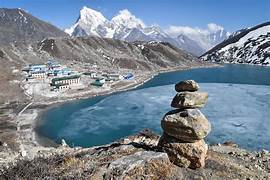
Day 10 – Lobuche to Gorakshep & Everest Base Camp
Altitude: 5,180m / 16,994ft (Gorakshep) | 5,364m / 17,598ft (EBC)
Walking Distance: 15km |
Duration: 6–8 hours
Hike to Gorakshep and then onward to the legendary Everest Base Camp. Witness the Khumbu Glacier and the surrounding towering giants. Capture incredible photos and soak in the atmosphere where climbers prepare for the summit.
Day 11 – Everest Base Camp to Kalapathar and Chukhung
Altitude: 5,545m / 18,192ft (Kalapathar) | 4,730m / 15,518ft (Chukhung)
Walking Distance: 16km |
Duration: 7–8 hours
Early morning climb to Kalapathar for the ultimate sunrise views of Everest, Lhotse, and Nuptse. Descend towards Dingboche and then head to Chukhung, our base for the Island Peak climb.
Day 12 – Chukhung to Island Peak Base Camp & Climbing Prep
Altitude: 5,200m / 17,060ft
Walking Distance: 5km | Duration: 3–4 hours
Short trek to Island Peak Base Camp. Training on ice axes, crampons, and rope techniques. Prepare physically and mentally for the summit attempt.
Day 13 – Island Peak Summit & Return to Chukhung
Altitude: 5,200m / 17,060ft → 6,189m / 20,305ft → 4,730m / 15,518ft
Walking Distance: 10km |
Duration: 12–14 hours
Summit day begins before dawn with headlamps. Ascend glaciers and snowfields to reach the top of Island Peak. Experience the unforgettable Himalayan sunrise and the thrill of standing above 6,000 meters. Descend carefully to Chukhung for rest.
Day 14 – Chukhung to Tengboche
Altitude: 4,400m / 14,435ft
Walking Distance: 14km | Duration: 12–14 hours
Retrace steps down through scenic high-altitude valleys and enjoy the Sherpa villages along the route. Overnight in Tengboche.
Day 15 – Tengboche to Namche Bazaar
Altitude: 3,440m / 11,283ft
Walking Distance: 10km | Duration: 6 hours
Descend gently through forests and past traditional villages. Return to Namche Bazaar for an overnight stay and well-earned rest.
Day 16 – Namche to Phakding & Lukla
Altitude: 2,800m / 9,184ft
Walking Distance: 16km | Duration: 6–8 hours
Final trekking day! Pass local settlements and cross the Hillary Suspension Bridge before reaching Lukla. Celebrate the achievement with your trekking team.
Day 17 – Lukla to Kathmandu
Altitude: 1,350m / 4,428ft
Morning flight back to Kathmandu. Transfer to the hotel and enjoy free time for relaxation or last-minute shopping. In the evening, join a farewell dinner with the Arma Trek Nepal team to commemorate your journey.
Day 18 – Kathmandu: Departure
Altitude: 1,350m / 4,428ft
After breakfast, transfer to the airport for your onward journey. Depart Nepal with lifelong memories, stunning photos, and stories from the top of the world.Morning flight back to Kathmandu. Transfer to the hotel and enjoy free time for relaxation or last-minute shopping. In the evening, join a farewell dinner with the Arma Trek Nepal team to commemorate your journey.
Gear Checklist & Packing Suggestions
Important Notes:
You can purchase most trekking gear in Kathmandu at reasonable prices, but it’s highly recommended to bring your hiking boots, as they need to be broken in and fit properly.
We provide a duffel bag for your main luggage, which will be carried by porters during the trek.
Bring a day pack (around 30–40L) for essentials during the day: water, snacks, camera, sunscreen, extra layers, etc.
You can leave extra luggage in your Kathmandu hotel.
Weight limits for flights to Lukla: 10kg (22lbs) checked baggage + 5kg (11lbs) carry-on.
Rental gear: Sleeping bags ($20) and down jackets ($15) are available at briefing before the Lukla flight.
Keep passports, medications, and valuables in your carry-on.
Clothing
Base Layers:
Moisture-wicking t-shirts & long-sleeve shirts
Thermal tops & bottoms for cold nights
Mid Layers:
- Fleece jacket or lightweight down jacket
Insulating pants
Outer Layers:
Waterproof, windproof trekking jacket
Waterproof trekking pants
Other Clothing:
- Trekking socks (4–6 pairs, including wool socks)
Comfortable trekking shorts/pants for lower altitudes
Warm hat, sun hat, gloves, and neck gaiter/buff
Sunglasses with UV protection
Lightweight sleepwear
FootWear:
Broken-in trekking boots with ankle support (waterproof recommended)
Comfortable shoes or sandals for evenings at lodges
Gaiters (optional, for snow or mud)
Trekking Gear & Accessories:
- Day pack (30–40L)
Trekking poles (highly recommended for stability)
Headlamp or flashlight with extra batteries
Water bottles / hydration system (1–2L)
Water purification tablets or SteriPEN
Lightweight towel
Small lock for duffel bag
Personal Items & Essentials:
Passport, travel documents, and permits
Cash (Nepalese rupees) and credit card
Travel insurance documents
Medications & first aid kit (personal medications, blister treatment, painkillers, band-aids)
Sunscreen and lip balm (SPF 30+)
Hand sanitizer and wet wipes
Toiletries (biodegradable soap recommended)
Optional Items:
Camera / GoPro / drone
Extra batteries / power bank
Notebook, pen, or journal
Snacks / energy bars
Binoculars (for wildlife spotting)
Things to Keep in Mind:
Layering is key: temperatures vary from warm in lower villages to below freezing at Everest Base Camp.
Electronics charging: limited at tea houses; some charge $1–$4/hour. Bring a universal adapter (Type C or D).
Laundry: available at select villages, but plan to pack enough clothing for the trek.